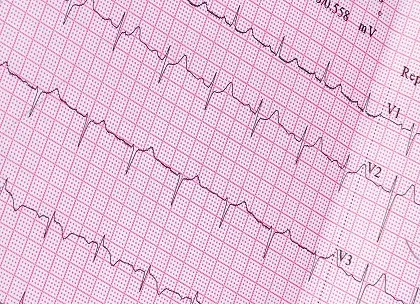
New-onset postoperative atrial fibrillation (POAF) is the most common complication after cardiac surgery, yet prospective multinational data remain limited. Findings from the VISION Cardiac Surgery cohort, published in the European Heart Journal, evaluated POAF incidence, discharge treatment patterns, and outcomes through 1 year after surgery.
This prospective cohort included adults undergoing cardiac surgery in 12 countries. Associations between POAF and events occurring from 30 days to 1 year were assessed using multivariable Cox models adjusted for patient factors, operative characteristics, and antithrombotic therapies.
Among 12,234 patients, including 55.3% undergoing isolated coronary artery bypass grafting (CABG), POAF developed in 31.8% within 30 days after surgery. At discharge, 15.6% received anticoagulation alone, 54.3% antiplatelet therapy alone, 23.9% both therapies, and 6.3% neither. Amiodarone was used in 48.8%.
At 1 year, clinical atrial fibrillation occurred in 6.9% of patients with POAF vs 0.6% without POAF (adjusted hazard ratio [aHR] 11.30; 95% confidence interval [CI] 8.17-15.70). Stroke or vascular death occurred in 2.3% vs 1.5% (aHR 1.32; 95% CI 0.99-1.77). All-cause death occurred in 3.0% vs 1.7% (aHR 1.54; 95% CI 1.18-2.00).
POAF after cardiac surgery was associated with higher rates of subsequent atrial fibrillation and all-cause death during the first postoperative year.