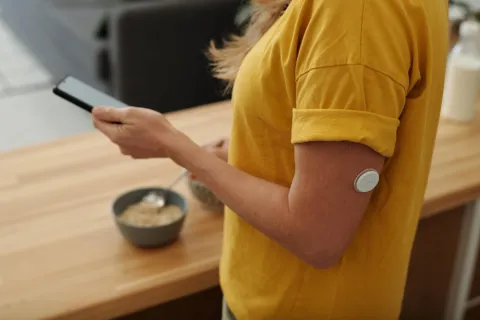
Do adults with type 1 diabetes mellitus (T1DM) continue to experience psychosocial burden despite using continuous glucose monitoring (CGM)? A cross-sectional observational study published in Diabetes Therapy evaluated psychosocial well-being, quality of life (QoL), and productivity in individuals with recurrent severe hypoglycemic events (SHEs) and impaired awareness of hypoglycemia (IAH).
The study included adult CGM users in the United States who completed an online survey. Measures included impaired awareness of hypoglycemia using a modified Gold score, diabetes distress using the Diabetes Distress Scale (DDS-17), fear of hypoglycemia using the Hypoglycemia Fear Survey (HFS-II), QoL using the Diabetes Impact on Daily Performance (DIDP) and EQ-5D-5L, and productivity using the Diabetes Productivity Measure (DPM). Participants were categorized into two groups: those with recurrent SHEs (two or more events in the past 12 months) with IAH, and those with no SHEs and no IAH.
The recurrent SHE with IAH cohort included 174 participants, while 689 participants were included in the comparison group. Individuals in the recurrent SHE with IAH group reported a mean of 8.6 SHEs in the past year. Compared with those without SHEs or IAH, this group showed higher psychosocial burden, including greater fear of hypoglycemia and diabetes distress. Lower QoL, worse overall health status, and reduced productivity were also observed (all p < 0.001).
These findings show that adults with T1DM who experience recurrent SHEs and IAH report substantial psychosocial and functional burden despite CGM use.