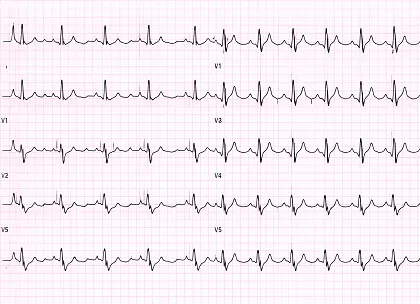
Cardiac resynchronization therapy (CRT) improves outcomes in patients with heart failure (HF) and reduced left ventricular ejection fraction (LVEF) with a wide QRS complex; however, up to 30-50% of patients do not respond. The QRS Index, which quantifies QRS shortening after CRT, has been proposed as a potential marker of response. A systematic review and meta-analysis published in the Journal of Clinical Medicine evaluated the association between QRS Index and CRT response.
A search of PubMed, Scopus, and Cochrane identified nine studies including 1,274 patients. Among these, 760 (59%) were classified as responders and 514 (41%) as non-responders, based on clinical, echocardiographic, or combined criteria. Data were pooled using a random-effects model, and heterogeneity was assessed using the I² statistic.
The QRS Index was higher in responders compared with non-responders, with weighted mean values of 16.14 ± 13.19 versus 7.22 ± 14.96. The pooled mean difference was 8.76 (95% CI 6.45–11.06; I² = 45%; p < 0.00001).
Meta-regression analysis showed that lower left ventricular end-systolic volume (LVESV) values were associated with a greater difference in QRS Index between responders and non-responders (β = −0.0483; 95% CI −0.0938 to −0.0029; p = 0.0372).
The findings indicate that QRS Index values are higher in CRT responders, supporting its potential role as a marker of response. Further studies are needed to standardize its clinical use and assess its prognostic value.