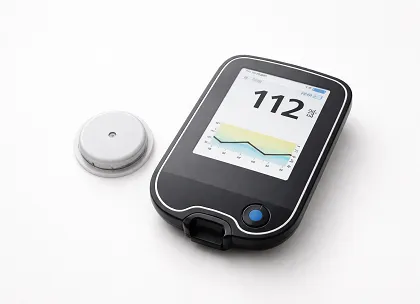
Real-time continuous glucose monitoring (RT-CGM) aids glycemic control in various diabetes groups. Its ties to medication patterns and A1c in type 2 diabetes (T2D) on non-insulin therapy (NIT), basal insulin (BIT), or intensive insulin (IIT) need study. A study published in the Diabetes, Metabolic Syndrome and Obesity: Targets and Therapy , the researchers tested associations with medication changes and A1c shifts.
This retrospective analysis used Optum Clinformatics claims from 09/01/2016 to 06/30/2024. From 1.6 million T2D patients, cohorts split by NIT, BIT, IIT. RT-CGM users matched 1:1 to non-users via propensity score. Over 12 months, they compared medication use (≥4 classes, net changes) and A1c via difference-in-differences.
Post-matching, RT-CGM users showed bigger drops in ≥4 medication use and more net regimen changes than non-users. A1c improved more in RT-CGM groups: −0.4% NIT, −0.5% BIT, −0.4% IIT (all p<0.0001). More RT-CGM users hit A1c <7.0% or <8.0%, including baseline off-target cases.
In this large claims cohort, RT-CGM use associated with increased medication adjustments, reduced polypharmacy, and better A1c across T2D therapies. Findings from real-world data suggest glycemic benefits, pending prospective confirmation.