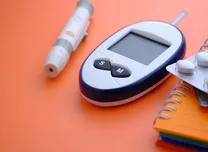
rt-CGM reduced the proportion of LGA in women with gestational diabetes. The Lancet Diabetes & Endocrinology reported a multinational randomized trial comparing rt-CGM with self-monitoring of blood glucose in pregnancy.
The trial enrolled 375 women aged 18–55 years with gestational diabetes and assigned them to rt-CGM or self-monitoring of blood glucose. Participants received standard clinical care across four European university hospitals. The primary endpoint was the proportion of large-for-gestational-age newborns in an intention-to-treat analysis.
Large newborns occurred in 4% of the rt-CGM group and 10% of the self-monitoring group, producing an odds ratio of 0.32 (95% CI 0.10–0.87; p=0.014). Small newborns occurred in 19% and 13% of participants, respectively, with an odds ratio of 1.59 (95% CI 0.86–2.99; p=0.11). Serious adverse events occurred in 12% of rt-CGM users and 15% of self-monitoring users (odds ratio 0.77; 95% CI 0.42–1.40; p=0.39).
These findings support rt-CGM as an effective strategy to reduce LGA births in gestational diabetes while maintaining a similar safety profile to SMBG