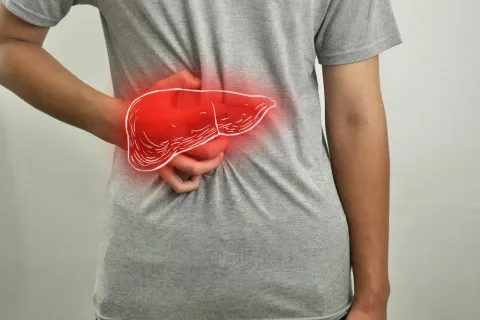
Can metabolomic profiling improve cardiometabolic risk assessment beyond imaging-defined liver fat? An analysis from a randomized lifestyle intervention trial published in Cardiovascular Diabetology evaluated metabolomics-based indices to characterize variation in risk and response among individuals with type 2 diabetes mellitus (T2DM) and overweight or obesity.
The study used data from a three-arm randomized trial. Plasma metabolomics and magnetic resonance imaging (MRI)-measured liver fat were used to derive two indices. These included a metabolomics-based liver fat score (mliver fat) and a discordance measure between metabolomic and imaging assessments (Δliver fat). Associations were examined with body composition, glucose indices, insulin sensitivity, triglycerides, and response to lifestyle intervention.
Both mliver fat and Δliver fat were associated with cardiometabolic traits. However, only Δliver fat remained independent of MRI-measured liver fat. Among participants with similar MRI-measured liver fat, those with lower Δliver fat (mliver fat lower than MRI-measured liver fat) had a more favorable cardiometabolic profile. This group also showed greater and more sustained improvements with diet intervention, including long-term changes in weight, insulin sensitivity, and β-cell function.
These findings show that discordance between metabolomic and imaging measures of liver fat identifies variation in metabolic profile and response to lifestyle intervention in T2DM.