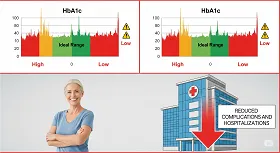
In a large-scale UK-based study of over 170,000 individuals that were newly diagnosed with type 2 diabetes, researchers have analyzed the effect of long-term blood sugar control on the risk of microvascular complications and hospital admissions. The findings highlighted the necessity of achieving and not overshooting the glycemic targets. The results were published in Therapeutic Advances in Endocrinology and Metabolism.
Researchers analyzed health records from individuals diagnosed between 1998 and 2007. The average follow-up period was 11.2 years. The team examined the association of different HbA1c levels, measured over time, with microvascular complications like neuropathy, nephropathy, and retinopathy, and hospital admission rates. HbA1c levels between 6.5% and 7.5% were used as the reference group for analysis.
The study found that the risk of microvascular complications increased consistently with higher HbA1c levels. The highest risk occurred in individuals with HbA1c levels equal to or exceeding 9.6% [Hazard ratio (HR): 1.29], while those with values below 6.5% had the lowest risk (HR: 0.94). When it came to hospital admissions, the relationship was U-shaped.
Those with HbA1c levels below 6.5% had a slightly increased risk of hospitalization (HR: 1.04), followed by those with HbA1c range of 8.6% to 9.6% (HR: 1.02). It may suggest the risks associated with highly intensive glucose-lowering therapy. The lowest risk of hospitalization was in the patients with HbA1c between 6.5% and 7.5%.