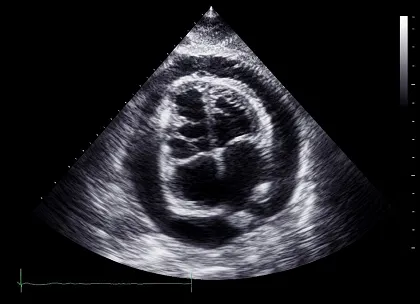
How much has the risk of cardiac tamponade changed as transcatheter aortic valve implantation (TAVI) practice has evolved? A retrospective single-center registry published in the International Journal of Cardiology examined this question across 2,354 consecutive TAVI procedures performed at a high-volume tertiary center from 2013 to 2025. The analysis evaluated the incidence, mechanisms, management, and outcomes of cardiac tamponade after TAVI.
Cardiac tamponade occurred in 29 cases, corresponding to an incidence of 1.2%. The mean age was 78 years, and 65.5% of cases occurred in women. Balloon-expandable valves were used in all but one case. Annular rupture accounted for the largest proportion of events (51.7%), followed by left ventricular (LV) and right ventricular (RV) perforation (13.8% each). The source remained indeterminate in 20.7% of cases.
Management often required urgent invasive treatment. Pericardiocentesis was performed in 90% of cases, and 37.9% underwent sternotomy. Outcomes remained poor, with in-hospital mortality of 41.4% and 90-day mortality of 51.7%. Annular rupture showed numerically higher 90-day mortality than ventricular perforation (66.7% vs 25%; P=0.09).
Tamponade incidence declined significantly over time, falling from 2.29% in 2013–2018 to 0.86% in 2019–2025 (P=0.004). This reduction was mainly linked to fewer RV perforations after the adoption of LV-wire pacing. The 90-day mortality also improved numerically from 64% in the early period to 40% in the later period, although this change did not reach statistical significance.
Despite lower tamponade incidence over time, mortality remained substantial, especially when tamponade was related to annular rupture.