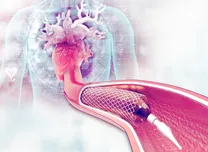
A combination of thrombectomy and ECMO achieved the strongest survival outcomes in high-risk pulmonary embolism. Circulation reported the analysis comparing reperfusion strategies used alongside ECMO in severe PE and demonstrating clear differences in short- and long-term outcomes.
This retrospective study assessed patients treated between 2016 and 2024 at a single institution. Individuals were grouped according to adjunctive therapy: ECMO with thrombectomy, ECMO with thrombolysis, or ECMO alone. A total of 72 patients (median age 52.5 years) were included, with 22 receiving thrombectomy, 28 receiving thrombolysis, and 22 receiving ECMO without reperfusion therapy.
Successful ECMO weaning occurred in 100% of the thrombectomy group, compared with 60.7% in the thrombolysis group and 36.4% in the ECMO-alone group. Survival to hospital discharge showed the same pattern: thrombectomy 81.8%, thrombolysis 57.1%, and ECMO alone 18.1%. Long-term outcomes also favored thrombectomy, with three-year survival rates of 72.7%, 46.4%, and 18.2%, respectively.
These findings indicate that thrombectomy provides the most favorable short- and long-term survival when used with ECMO in high-risk PE, whereas outcomes with ECMO alone were poor in this cohort.