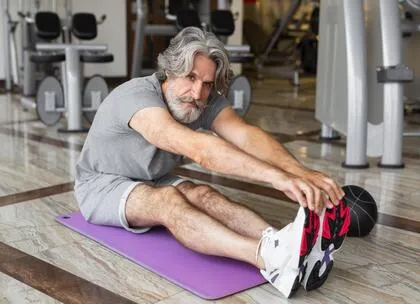
A structured two-year exercise program improved non-invasive measures of bone health among older adults with type 2 diabetes mellitus (T2DM) without osteoporosis, according to findings from a randomized clinical trial published in the Diabetes Research and Clinical Practice.
The trial included 200 older adults with T2DM without osteoporosis who were randomized 1:1 to a specifically designed exercise program or standard care for 2 years. Co-primary outcomes included trabecular bone score (TBS) and bone mineral density (BMD) assessed at three skeletal sites. Secondary outcomes included additional bone measures, muscle strength, and physical function parameters.
The co-primary endpoints increased in the exercise group and declined in controls. Significant between-group differences were observed for TBS (mean difference 0.016; 95% confidence interval [CI], 0.011-0.021; p<0.0001). The between-group difference in TBS was no longer significant after adjustment for abdominal fat indices.
Exercise training also improved lumbar spine BMD (0.014; 95% CI, 0.005-0.024; p=0.004), femoral neck BMD (0.017; 95% CI, 0.006-0.028; p=0.003), and total hip BMD (0.020; 95% CI, 0.010-0.030; p<0.0001).
Significant between-group differences were also observed across additional bone measures, body composition, muscle strength and quality, physical performance, and cardiorespiratory fitness. Adverse event rates were similar between groups.
The findings indicated that long-term structured exercise training improved bone and functional health measures in older adults with T2DM without osteoporosis.