Diabesity Epidemic Hits Urban India
Non-communicable diseases like diabetes and obesity explode in rapidly urbanizing cities. Chennai faces dual burden from processed food flood and shrinking exercise spaces. Diabetologists see patients struggle against obesogenic environments daily. This study maps how surroundings shape "diabesity" coexistence directly. The study was published in the Journal of Diabetology.
Large Cross-Sectional Urban Sample
Researchers enrolled 1,138 adults from two Chennai electoral wards using multistage sampling. Diabesity defined by BMI, waist circumference, fasting plasma glucose, HbA1c, or diabetes medications. Retail Food Environment Index measured healthy versus unhealthy food access. Distance to physical activity spaces tracked exercise barriers. Reduced rank regression identified lifestyle-environment patterns.
One Third Carry Dual Diagnosis
Diabesity prevalence reached 32.5% across participants. Females, older adults, and physically inactive individuals showed highest rates consistently. Urban food swamps favored processed options heavily.
Environment Predicts Disease Burden
Multivariable analysis confirmed age, high RFEI, and long distance to PA spaces as independent risk factors. Physical activity proved strongly protective against diabesity. Reduced rank regression extracted two key patterns.
Passive Pattern Carries Worst Risk
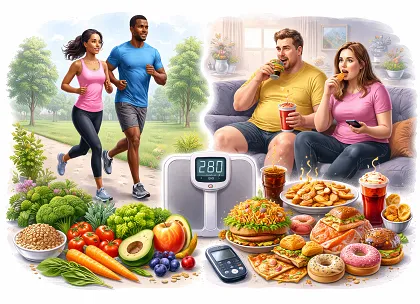
"Passive Lifestyle and Unfavorable Environment" pattern linked highest diabesity odds. Easy junk food access plus distant parks created perfect storm. Active healthy patterns showed clear protection.
Urban Planning Must Change Now
Zoning laws should limit fast food near residences. Rooftop gyms and walking paths belong in apartment complexes. Municipalities drive change beyond clinic walls.
Diabetologists Need Environmental Advocacy
Prescribe community walks not just metformin. Partner with city planners for food environment audits. Track neighborhood RFEI in high-risk practices.
Prevention Beats Treatment Costs
Healthy built environments cut healthcare spending long-term. Chennai model guides other Indian megacities effectively.
Policy Action Saves Generations
National urban health mission should prioritize PA spaces. Diabesity epidemic demands environmental not just individual solutions.
Featured
Off
Page Content
#ffffff
Anonymous user
On
Authenticated user
On
Premium
On
Paid / Sponsored
On
Key highlights
- Cross-sectional study of 1,138 Chennai adults found 32.5% diabesity prevalence highest among females, older adults, and physically inactive individuals.
- Multivariable analysis identified age, high Retail Food Environment Index, and distance to physical activity spaces as independent diabesity risk factors.
- Physical activity emerged as protective factor against coexistence of diabetes and obesity in urban setting.
- Reduced rank regression identified "Passive Lifestyle and Unfavorable Environment" pattern carrying highest diabesity risk.
- Findings demand urban planning reforms promoting healthier food access and physical activity opportunities to reduce diabesity burden.
Source
Aarthi GR, Pradeepa R, Ulagamathesan V, et al. Food and Physical Activity Environments and their Impacts on Diabesity in South India Adults. Journal of Diabetology. 2025;17(1):83-92. doi: https://doi.org/10.4103/jod.jod_138_25
Thumbnail
Speciality
Currency
Sub Sub Speciality
Short Description
Chennai study of 1,138 adults finds 32.5% diabesity prevalence tied to high RFEI, distant PA spaces, and passive lifestyle patterns in urban India.
User Segments
Release Date
Featured Order
0
Is Paid
0
Send Notification
Off