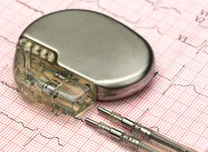
Ventricular leadless pacemakers have previously shown safety in investigational device exemption trials and post-approval registries. However, these studies were company-sponsored and may have excluded the sickest or smallest patients. A new investigation presented at the European Society of Cardiology (ESC) 2025 assessed the real-world safety of Micra and Aveir ventricular leadless pacemakers in consecutive patients implanted between 2015 and 2025.
The study included 857 patients (626 Micra, 231 Aveir), with a mean age of 79.7 years and a body mass index of 23.8 kg/m²—older and smaller than populations in prior IDE trials and registries. Co-morbidities were common, reflecting a real-world clinical setting. After a median follow-up of 47.7 months, 35 patients (4.1%) experienced major complications. Pericardial effusion occurred in six patients (0.72%), mostly managed percutaneously, and pacemaker system revision was needed in 12 cases (1.4%). Importantly, no procedure-related deaths or open-heart rescue procedures were reported.
This study demonstrates that ventricular leadless pacemaker implantation remains safe in older patients with smaller body size, supporting broader use in real-world populations beyond those represented in previous company-sponsored trials.