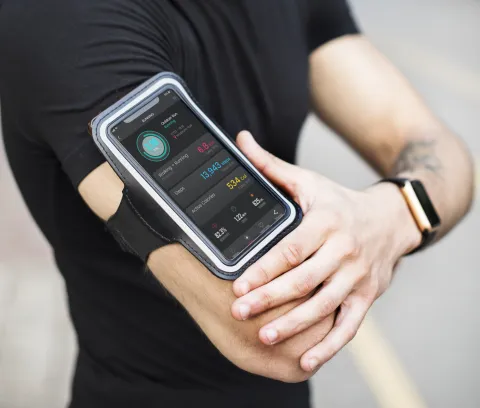
Consumer activity trackers may support physical activity in adults with or at risk for type 2 diabetes when embedded within structured community programs. A mixed-methods study published in JMIR Diabetes evaluated the integration of wearable devices into a community-based weight management intervention.
Participants were recruited through a community weight management program in Lanarkshire, Scotland, and received a wearable device to monitor daily steps and moderate-to-vigorous physical activity. The study combined quantitative analysis of device-recorded activity data with qualitative insights from semistructured interviews conducted with 10 participants and 10 health care professionals. Findings were interpreted using the Reach, Effectiveness, Adoption, Implementation, and Maintenance framework.
Daily step counts increased significantly between week 1 and week 7, with a mean difference of 5345 steps (P = .002). However, moderate-to-vigorous activity declined after week 7, indicating reduced engagement beyond the structured intervention phase.
Qualitative findings identified several implementation-related factors influencing outcomes. Providing devices free of cost improved accessibility, while structured education supported effective use and interpretation of activity data. Staff highlighted the need for a better understanding of device functionality, and program-level protocols were identified as important for consistent implementation.
These findings support the feasibility of integrating consumer activity trackers into community-based interventions, with outcomes influenced by implementation design and sustained engagement strategies.