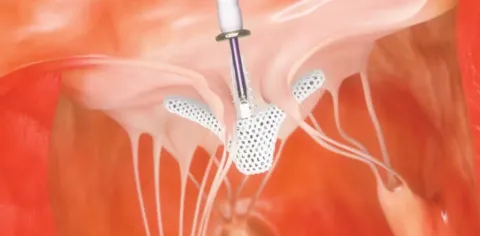
Right ventricular dysfunction frequently accompanies advanced tricuspid regurgitation, yet predictors of recovery after transcatheter intervention remain incompletely defined. In a multicenter analysis published in the Journal of Cardiovascular Medicine, determinants of right ventricular recovery after T-TEER were evaluated in routine clinical practice.
The study included all patients scheduled for T-TEER across four German tertiary cardiac centers. Right ventricular dysfunction was defined by impairment of TAPSE or right ventricular fractional area change. Echocardiographic follow-up was performed 3 months after the procedure. Univariable and multivariable logistic regression analyses were used to identify predictors of right ventricular recovery.
Among 105 patients, 46 (43.8%) had concomitant right ventricular dysfunction at baseline. Recovery of right ventricular function was observed in 22 of these patients (47.8%). Recovery occurred more frequently in patients with mild baseline dysfunction according to TAPSE. A reduction of tricuspid regurgitation to mild severity also independently predicted recovery, consistent with relief of right ventricular volume overload.
These findings indicate that right ventricular recovery after T-TEER is most likely when intervention occurs before advanced dysfunction develops and when tricuspid regurgitation is effectively reduced. Early identification and timely transcatheter treatment may help preserve right ventricular function in patients with severe tricuspid valve disease.