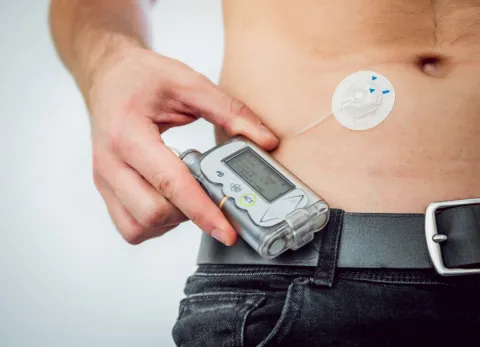
Sustained use of insulin pump therapy remains a key challenge in type 1 diabetes mellitus (T1DM), particularly when device burden affects daily functioning. A real-world, retrospective analysis published in BMJ Open Diabetes Research & Care evaluated persistence with tubeless versus tubed insulin pump systems.
The study used data from the French National Health Data System (2016-2021), including 1,241,624 individuals with insulin claims, of whom 233,874 had T1DM. Among these, 90,362 individuals initiated insulin therapy during the study period, and 61,251 individuals who initiated pump therapy were included in the analysis. Treatment persistence was assessed using Kaplan-Meier curves and Cox proportional hazards models.
Tubeless pump use was associated with higher persistence compared with tubed pumps, with an unadjusted hazard ratio (HR) of 0.60 (95% confidence interval [CI], 0.58 to 0.61) and an adjusted HR of 0.59 (95% CI, 0.57 to 0.61), indicating a lower risk of discontinuation. Fewer therapy changes were also observed within 12 months among tubeless pump users, while treatment changes increased among tubed pump users after the introduction of tubeless pumps.
These findings indicate that tubeless pump therapy is associated with greater treatment persistence and fewer therapy changes in routine clinical practice.