What is dextrocardia?
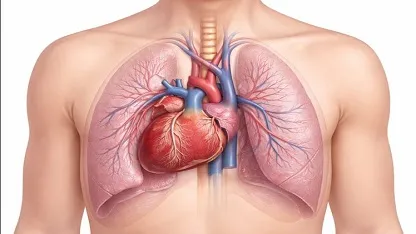
Dextrocardia is a condition where the heart is located on the right side of the chest instead of the left. The heart also points toward the right.
Is dextrocardia a disease?
No. By itself, dextrocardia is not a disease. It is a difference in how the heart is positioned in the body.
Is dextrocardia present from birth?
Yes. Dextrocardia is a congenital condition, which means a person is born with it.
How common is dextrocardia?
It is rare. Dextrocardia occurs in about 1 out of every 12,000 pregnancies.
Can a person live a normal life with dextrocardia?
Yes. People with isolated dextrocardia (no other heart problems) usually live a normal and healthy life.
Does dextrocardia cause symptoms?
Dextrocardia by itself does not cause symptoms. Many people don’t know they have it unless they get a heart test for another reason.
How is dextrocardia usually discovered?
It is often found by chance during tests like a chest X-ray, ECG, or echocardiogram done for other reasons.
Are other organs affected in dextrocardia?
Sometimes. In some people, other organs like the liver or stomach may also be reversed, a condition called situs inversus.
What is isolated dextrocardia?
Isolated dextrocardia means only the heart is on the right side, while all other organs are in their usual positions.
What is dextrocardia with situs inversus?
In this type, both the heart and other organs (like the liver and stomach) are positioned as mirror images of normal.
Is dextrocardia dangerous?
On its own, it is not dangerous. Problems may occur only if it is associated with other heart or organ defects.
Can dextrocardia be inherited?
It can be linked to genetic changes, but many people with dextrocardia do not have a family history of the condition.
Can dextrocardia be detected during pregnancy?
Yes. Doctors may detect it using prenatal ultrasound or fetal echocardiography.
Does dextrocardia require treatment?
No treatment is needed if dextrocardia occurs alone and the heart is functioning normally.
When is treatment needed in dextrocardia?
Treatment is needed only if other heart defects or genetic conditions are present.
What symptoms may suggest associated heart problems?
Symptoms can include breathing difficulty, bluish skin, frequent infections, tiredness, or poor growth in children.
Can dextrocardia affect breathing or infections?
Dextrocardia alone does not, but when linked to certain genetic conditions, some people may have repeated lung or sinus infections.
How do doctors confirm dextrocardia?
Doctors use tests such as ECG, echocardiogram, chest X-ray, CT scan, or MRI to confirm the diagnosis.
Should people with dextrocardia inform doctors before tests or surgery?
Yes. It’s very important to inform all healthcare providers, especially before heart tests, surgeries, or emergency care.
Does dextrocardia affect heart attacks or heart disease risk?
No. The risk of heart disease is similar to the general population, unless other heart conditions are present.
Can children with dextrocardia play and exercise normally?
Yes. Children with isolated dextrocardia can play, exercise, and grow normally, unless restricted by other heart problems.
Can dextrocardia be cured?
There is no need to cure it. Dextrocardia is simply a variation in heart position.
Can adults discover dextrocardia later in life?
Yes. Some people learn they have dextrocardia only in adulthood, often during routine tests.
Does dextrocardia affect life expectancy?
People with isolated dextrocardia have a normal life expectancy. Prognosis depends on any associated conditions.
Should families consider genetic counseling?
Genetic counseling may be helpful, especially if dextrocardia is linked with other congenital or genetic conditions.