If you live with diabetes, you may wonder whether hemoglobin A1c (HbA1c) or daily glucose readings matter more. The answer is that both are important because they measure different aspects of glucose control. HbA1c reflects your longer-term glucose pattern, while daily readings show what is happening now and help guide everyday decisions.
Rather than choosing one over the other, the best diabetes care usually uses both together.
What Is HbA1c?
HbA1c is a blood test that reflects your average blood glucose over the previous 2 to 3 months. It measures the percentage of hemoglobin in red blood cells that has glucose attached to it.
The American Diabetes Association recommends an HbA1c target of <7% (<53 mmol/mol) for many nonpregnant adults if it can be achieved safely without severe hypoglycemia or hypoglycemia that affects health or quality of life.
Some people may benefit from a lower target, such as <6.5%, if treatment risks are low. Others may need a less stringent target based on age, frailty, cognitive impairment, multiple medical conditions, or higher hypoglycemia risk.
Why HbA1c Matters
HbA1c helps assess:
- Overall glucose levles control over time
- Risk of complications affecting the eyes, kidneys, nerves, heart, and blood vessels
- Whether the current treatment is working
- Need for medication or lifestyle changes
Limits of HbA1c
HbA1c does not show:
- Your glucose levels right now
- Daily highs after meals
- Nighttime hypoglycemia
- Rapid glucose levels swingslevel
- Day-to-day glycemic variability
HbA1c may also be less accurate in some conditions, including anemia, pregnancy, hemoglobin disorders, chronic kidney disease, liver disease, or recent blood transfusion.
What Are Daily Glucose Readings?
Daily glucose readings measure your glucose level in real time. They are obtained using:
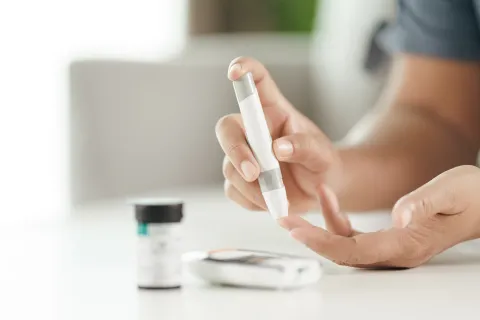
- Blood glucose meter (finger-stick testing)
- Continuous glucose monitoring (CGM)
A blood glucose meter uses a small drop of blood, usually from the fingertip. CGM uses a small sensor worn on the skin that checks glucose levels frequently throughout the day and night.
Why Daily Readings Matter
Daily glucose levels monitoring helps you:
- Detect hyperglycemia early
- Prevent hypoglycemia
- Understand how meals, exercise, stress, illness, sleep, and medicines affect glucose levels
- Adjust insulin or other treatment when advised
- Identify fasting, post-meal, or overnight patterns
Because glucose level changes during the day, trends over several readings are often more helpful than one isolated number.
CGM Targets: What Do Guidelines Suggest?
For many nonpregnant adults using CGM, the American Diabetes Association recommends:
- Time in range (70 to 180 mg/dL): >70%
- Time below 70 mg/dL: <4%
- Time below 54 mg/dL: <1%
These goals may be adjusted based on age, pregnancy, other medical conditions, and hypoglycemia risk.
So, What Matters More?
For long-term glycemic control:
HbA1c is essential
For daily treatment decisions and safety:
Daily glucose llevel readings are essential
For best overall outcomes:
Both matter
A person may have an HbA1c within target but still have frequent hypoglycemia or severe swings in blood glucose levels. Daily monitoring helps identify these problems. On the other hand, a few normal daily readings do not always reflect glycemic control over several months.
Practical Tips for Patients
- Have HbA1c checked as recommended by your healthcare professional
- Monitor glucose levels at home if advised
- Focus on patterns rather than one reading
- Discuss frequent highs or lows with your healthcare team
- Ask whether CGM may be appropriate for you
- Review your glycemic goals regularly
Important Reminder
Do not change insulin or diabetes medication doses on your own unless your healthcare professional has provided a clear treatment plan.
Bottom Line
HbA1c tells you how glucose levels has been controlled over the past few months. Daily glucose levels readings tell you what is happening now. The best diabetes care uses both measures together to support safer treatment decisions, better glucose control, and improved long-term health.1,2,3