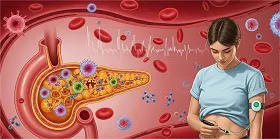
What is Type 1 diabetes?
Type 1 diabetes is a condition where your body cannot make insulin. Insulin, a hormone, is synthesized by the pancreas and controls blood sugar. With no insulin, sugar builds up in the blood instead of being used for energy.
Why cannot the body make insulin in Type 1 diabetes?
In Type 1 diabetes, immune system of the body mistakenly attacks and destroys the cells in the pancreas that make insulin.
Is Type 1 diabetes similar to Type 2 diabetes?
The body produces no insulin in type 1 diabetes. In Type 2, the body makes some insulin but cannot use it properly.
Who can get Type 1 diabetes?
Anyone can get Type 1 diabetes, but it often starts in children, teenagers, or young adults.
Can Type 1 diabetes be prevented?
Type 1 diabetes cannot be prevented because it is caused by an immune reaction that cannot be stopped. Further, several cases of type 1 diabetes are hereditary (run in families).
What causes Type 1 diabetes?
The exact cause is not known. However, it occurs when the immune system attacks insulin-making cells, possibly because of genetic and environmental factors.
What are the symptoms of Type 1 diabetes?
Symptoms may include frequent urination, feeling very thirsty, unintentional weight loss, tiredness, and blurry vision.
What should I do if I notice these symptoms?
See a doctor immediately. Type 1 diabetes can become complicated if not treated.
How is Type 1 diabetes diagnosed?
Doctors check blood sugar levels through blood tests. If levels are high, the doctor may recommend more tests to confirm the diagnosis.
What is the treatment for Type 1 diabetes?
The primary treatment is daily insulin. It is given through injections or an insulin pump. The patients should also check the blood sugar regularly.
Why do people with Type 1 diabetes need insulin every day?
Because the body of patients with type 1 diabetes makes no insulin, they must replace it to control blood sugar and stay healthy.
Can diet and exercise replace insulin in Type 1 diabetes?
Diet and exercise help manage blood sugar. However, insulin is always needed for sugar control.
How often should blood sugar be checked?
It should be checked several times a day, especially before meals, after meals, and before sleeping.
What happens if sugar levels in the blood get too high?
High blood sugar can cause tiredness, thirst, and frequent urination. If untreated, it may lead to a dangerous condition called ketoacidosis.
What is ketoacidosis?
It is a serious problem that happens when the body has very little insulin and starts breaking down fat for energy, making the blood acidic.
Can people with Type 1 diabetes live a healthy and normal life?
With proper insulin use, healthy eating, regular exercise, and blood sugar monitoring, the majority of patients with type 1 diabetes live a normal life.
Do people with Type 1 diabetes need special food?
They should eat a balanced diet and keep track of carbohydrates to match insulin doses.
Can exercise help in Type 1 diabetes?
Regular activity helps control blood sugar and improves overall health, but insulin and food may need adjustment.
Will Type 1 diabetes ever go away?
No cure is presently available for type 1 diabetes. However, it can be managed successfully with the right care.
What is the most important thing to remember about Type 1 diabetes?
It cannot be prevented or cured. However, with daily insulin and proper care, people can live long and healthy lives.